Somewhere in London right now, someone is waiting for an electrician to change a light fitting a handyman could have swapped in an hour. And somewhere else, someone has let a "can do anything" handyman add a new socket to a bathroom, which by law needed a registered electrician.
Both cost money, one of them can be dangerous, and neither is the homeowner's fault: it isn't obvious where one trade ends and the next begins. This guide sets out which jobs a handyman is right for, which jobs the rules in England say need a specialist, and how to check the person you're letting into your home.
Why it matters who you call
Call a specialist for a small job and you can wait weeks and pay a call-out for ten minutes' work. Call a handyman for a specialist job and the risks are bigger: work that isn't certified can be a problem when you sell or let the property, it may not be covered by insurance, and gas or electrical work done by the wrong person can be genuinely dangerous.
The good news is that the line is clearer than it looks. Most of it comes down to three questions: does it involve gas, does it involve new electrical work, and does it change the structure?
What a handyman is for
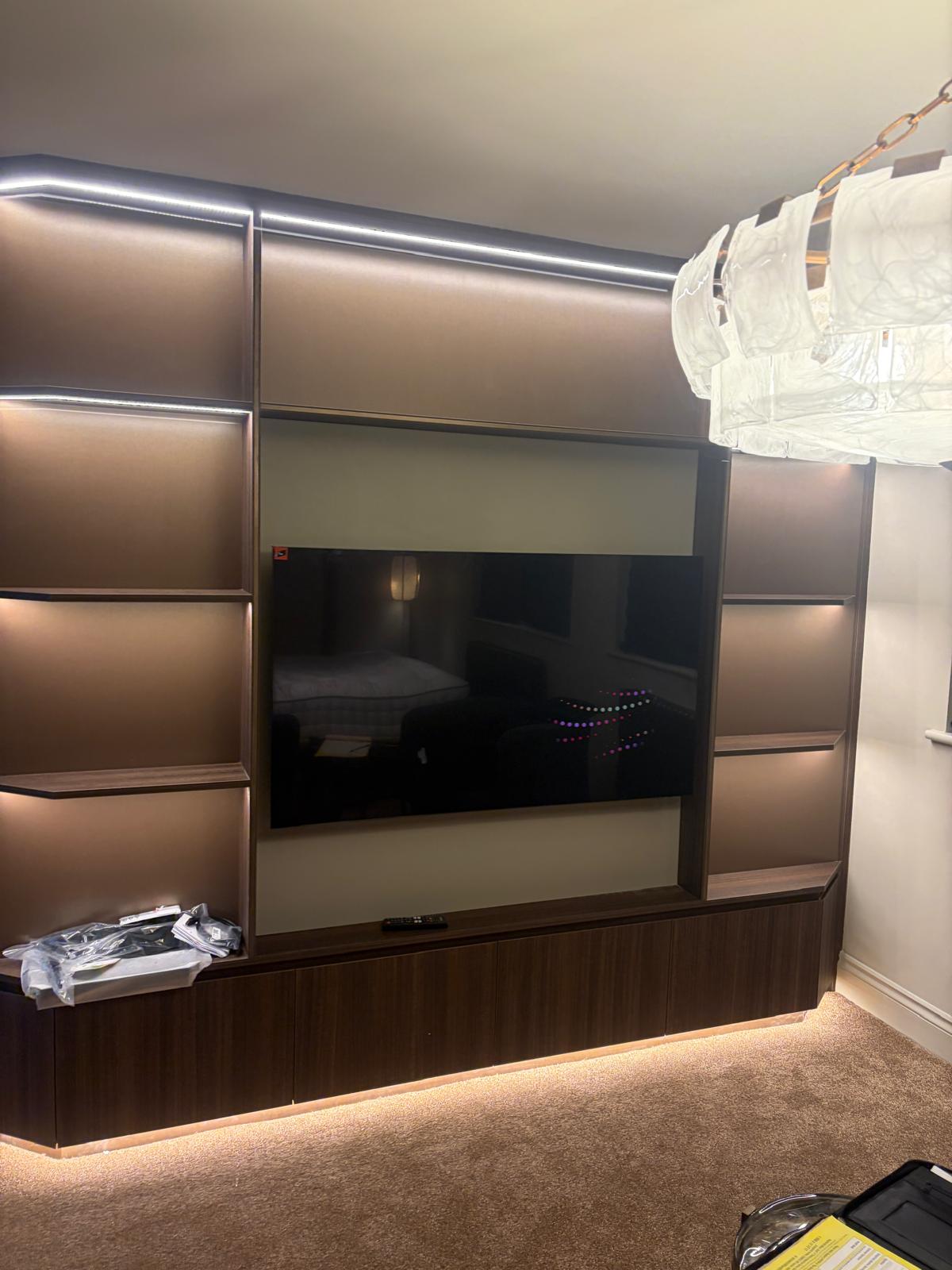
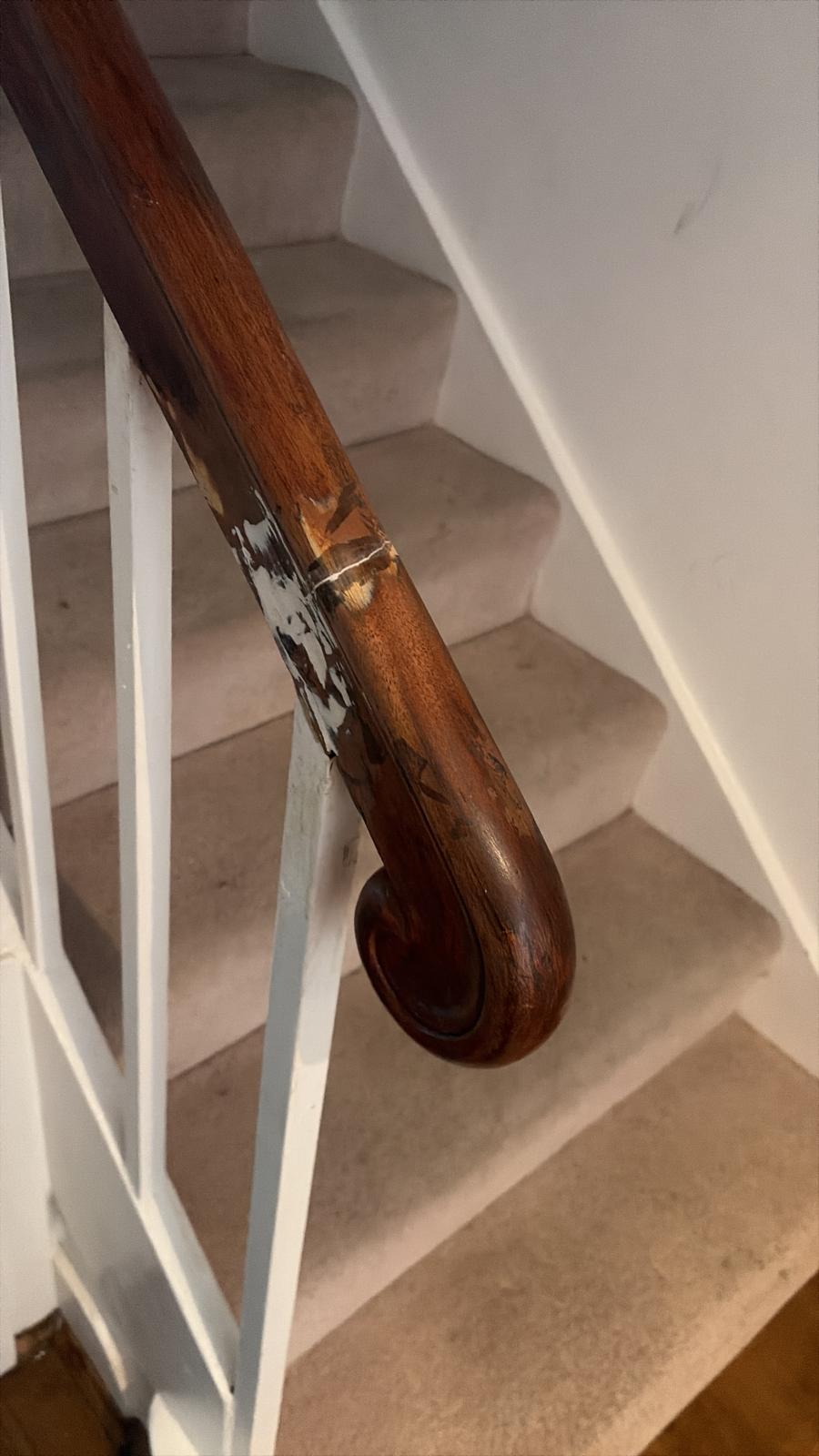
A handyman is the right call for the many small repairs and installations every home needs, especially when you have several of them: doors, handles and locks, shelves, TVs and curtain poles, flat-pack furniture, resealing baths and showers, filling and painting, small carpentry and boxing in, like-for-like swaps of taps, light fittings and sockets, and fixing the things that have quietly broken. See our handyman services for the full list.
Gas: always a Gas Safe engineer
This one has no grey area. Anyone working on gas appliances, pipework or flues in Great Britain must be on the Gas Safe Register. That includes fitting or moving a gas hob, cooker or boiler, and any work on the gas pipe itself. Landlords also need a Gas Safe registered engineer for the annual gas safety check. (HSE)
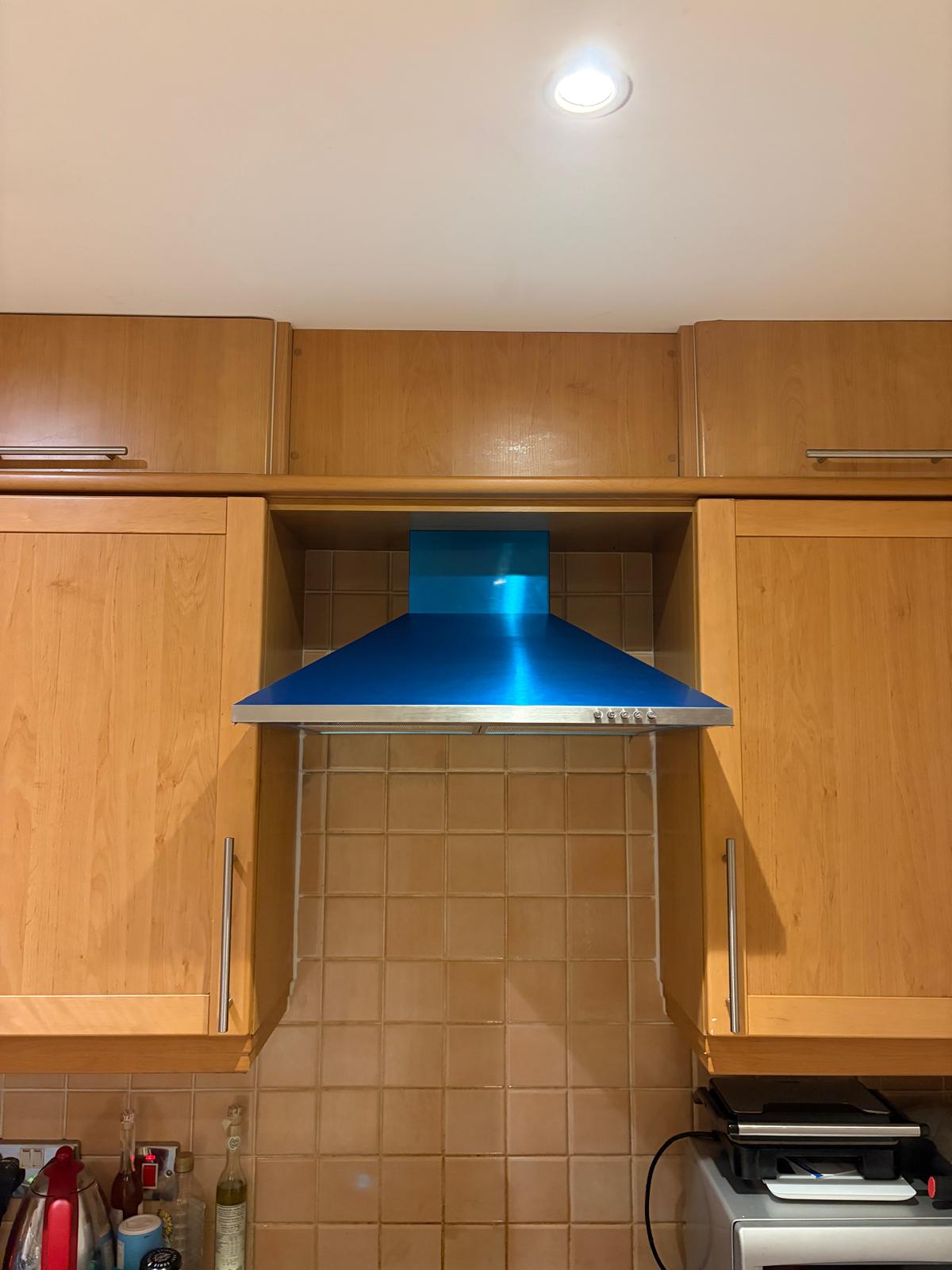
A handyman can still help around a gas job: fitting the cabinets, making good the wall afterwards, or fitting a cooker hood, as long as nobody touches the gas.
Electrics: where the line sits
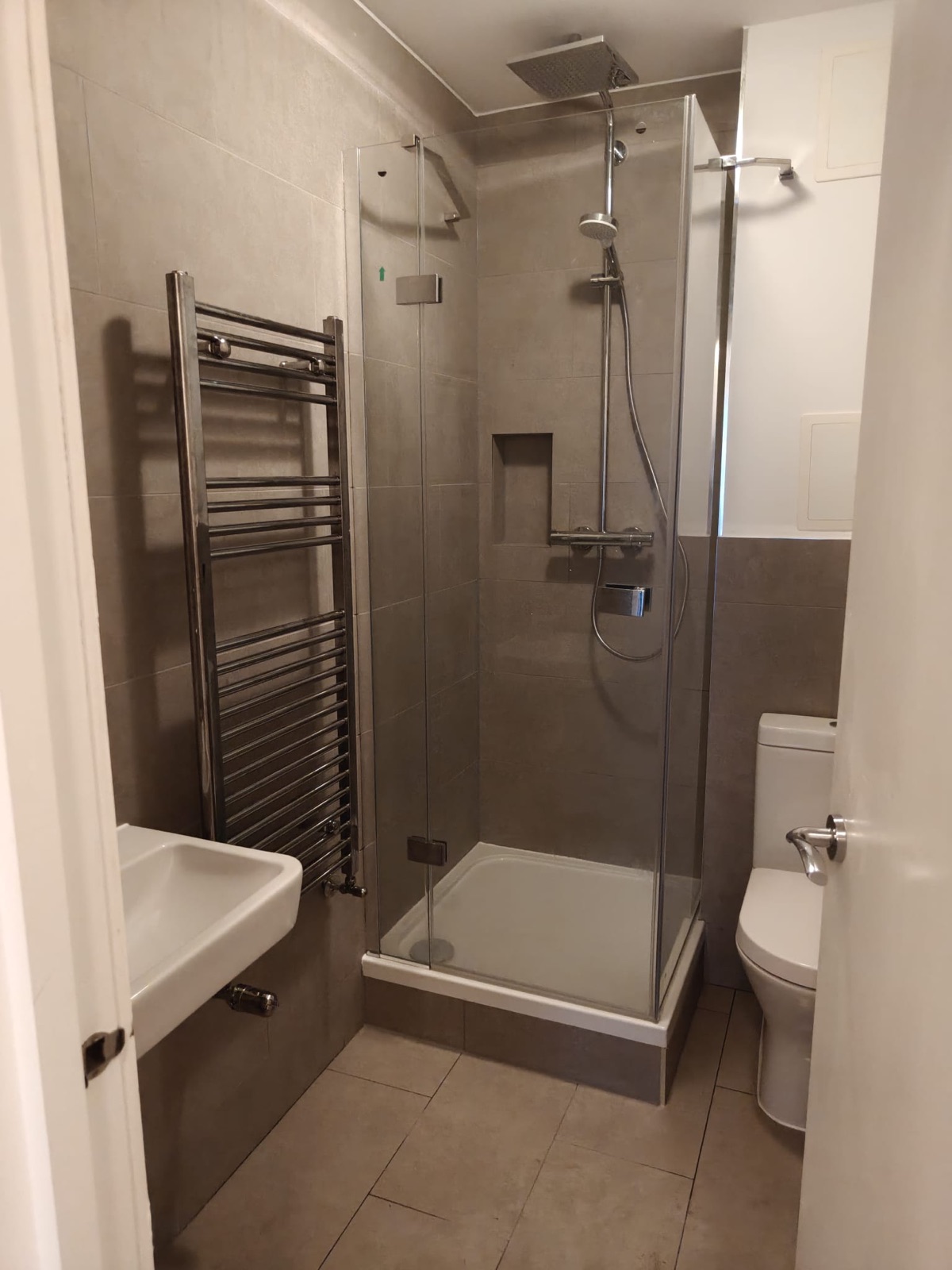
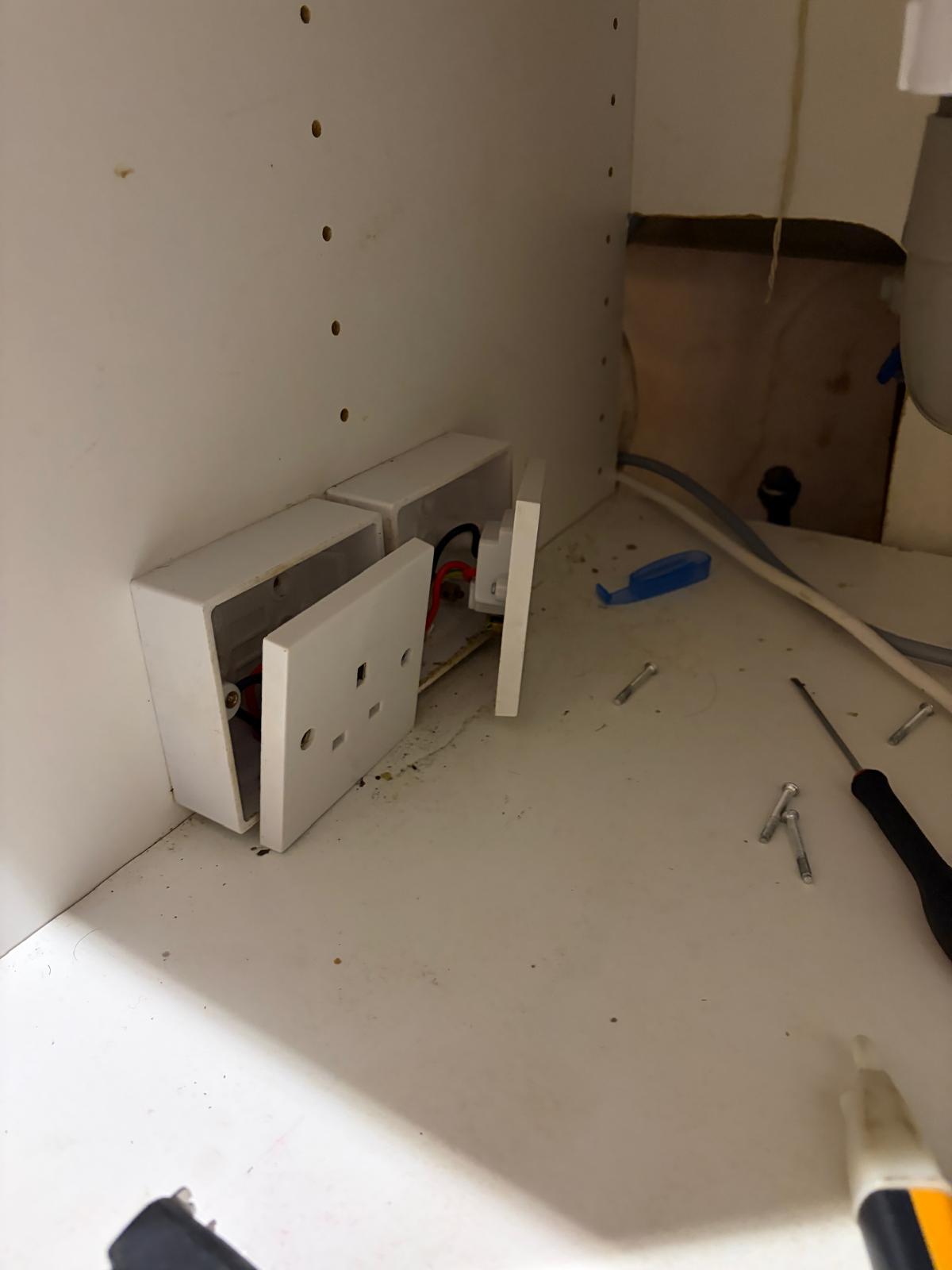
In England, electrical work in homes falls under Part P of the Building Regulations. Some work is notifiable, which means it must be done by an electrician registered with a competent person scheme (who can self-certify it), or signed off by building control. Notifiable work includes adding a new circuit, replacing a consumer unit (fuse box), and work in the zones around a bath or shower. (Planning Portal)
Replacing an existing socket, switch or light fitting like for like, on the same circuit and outside a bathroom's zones, is not notifiable. That's the kind of electrical work a competent handyman does. If the job needs a new wire run, a new circuit or anything in the bathroom zones, it's an electrician's job. You can check an electrician's registration on the Electrical Competent Person register.
Plumbing: small repairs or a plumber?
Plumbing has no single legal line like gas does, but there is a practical one. Dripping taps, running cisterns, leaks under a sink, a new tap or shower head, a radiator that needs bleeding: these are handyman jobs. Moving a toilet, new waste runs, boilers, hot water cylinders and anything involving the heating system are a plumber's job, and anything touching a gas boiler is a Gas Safe job.
In a flat, remember that a leak doesn't stay in your flat. If you're unsure, ask before work starts.
Walls, structure and neighbours
- Removing or altering a wall that holds up the building is structural work and needs building regulations approval, usually with a structural engineer's calculations. Even non-structural internal walls can raise fire safety and sound insulation questions. (Planning Portal)
- Work on a shared wall, such as cutting into a party wall in a terrace or semi, can mean you must tell your neighbours under the Party Wall Act before you start. (GOV.UK)
- Leasehold flats often need the freeholder's written consent, sometimes called a licence to alter, for anything beyond decoration. It's in your lease.
None of this is handyman work. It's a builder's, run as a project. Hanging shelves on a party wall is fine; cutting a new opening in it is not.
Older homes: the asbestos question
Asbestos can be found in any building built or refurbished before the year 2000, which in London is most homes. It's usually harmless if left alone and undamaged; the risk comes from drilling, sanding or breaking it. (HSE) Old textured ceilings, some floor tiles, boxing round old pipes and old cement panels are the usual suspects. If you're planning work that disturbs any of those, a good tradesperson will ask about it first, and in some cases suggest a test before anyone starts.
Quick guide: who to call
| Job | Who to call |
|---|---|
| Doors, locks, handles, shelves, TV mounting, curtain poles | Handyman |
| Flat-pack furniture, small carpentry, boxing in | Handyman |
| Resealing a bath or shower, filling and painting | Handyman |
| Swap a socket, switch or light fitting like for like | Handyman |
| Dripping tap, running toilet, leak under a sink | Handyman |
| New socket or circuit, fuse box, electrics near a bath or shower | Registered electrician |
| Anything on gas: hob, cooker, boiler, gas pipe | Gas Safe registered engineer |
| Moving a toilet, new waste runs, boiler, heating system | Plumber (Gas Safe if gas is involved) |
| Removing a wall, new opening, extension, loft | Builder, with building control |
| New kitchen or bathroom, full refurbishment | A renovation team that brings all of the above |
How to check a tradesperson
Before you let anyone start
- Registration where the law needs it: look the engineer up on the Gas Safe Register, or the electrician on the competent person register.
- Insurance: ask whether they have public liability insurance.
- A written, fixed price before work starts, not "we'll see how it goes".
- A guarantee on the workmanship, in writing.
- Reviews you can check on an independent platform such as Checkatrade or Google, not just on their own website.
- Honesty about limits: someone who says "that's not my trade, you need an electrician" is someone you can trust with the rest.
How we handle it at Handy 4 London
We run two kinds of work, and we're careful to keep them apart. Our handyman team does the small jobs above, at published prices, with like-for-like electrics and basic plumbing only. For bigger projects, such as kitchens, bathrooms and full refurbishments, our renovation team brings builders, plumbers and electricians together under one point of contact, so you don't have to work out who does what.
If you're not sure which one your job is, send us a photo. We'll tell you straight whether it's a handyman job, a renovation, or something you need another specialist for, and if it's the last one, we'll say so.
Not sure who you need?
Send us a photo of the job and we'll tell you which trade it needs. Or use the quote form.
See What Our Handymen Do →