The weeks between one tenant moving out and the next moving in are the cheapest time you will ever have to fix a rental property. The rooms are empty, nobody needs to be home to let a tradesperson in, and a two-hour job does not have to be squeezed around somebody's working day.
Miss that window and the same small faults come back as maintenance requests in the first month of the new tenancy — a sticking door, a loose handle, a mark on the wall that the new tenant photographs on day one and brings up again when the deposit is returned. This is the walk-round we would do in an empty property in Harrow or anywhere across North West London, room by room, with photos from real jobs.
Why the gap between tenants matters
Most of the jobs on this list take minutes to an hour each. What makes them expensive is doing them one at a time, with a tenant in the property: a separate visit, a separate call-out, arranging access, and a tenant who is already unhappy because the thing has been broken for a fortnight.
In an empty property one visit can clear the whole list. It also means the property is in a known condition on the day the new tenancy starts, which is exactly what you need if there is ever a disagreement about the deposit.
Doors, handles and locks
Doors take more wear than anything else in a rented home, and a door that does not close properly is the first thing a new tenant notices. Open and close every internal door. Check that it latches without being pushed, that the handle is firm on both sides, and that nothing catches on the frame or the floor.
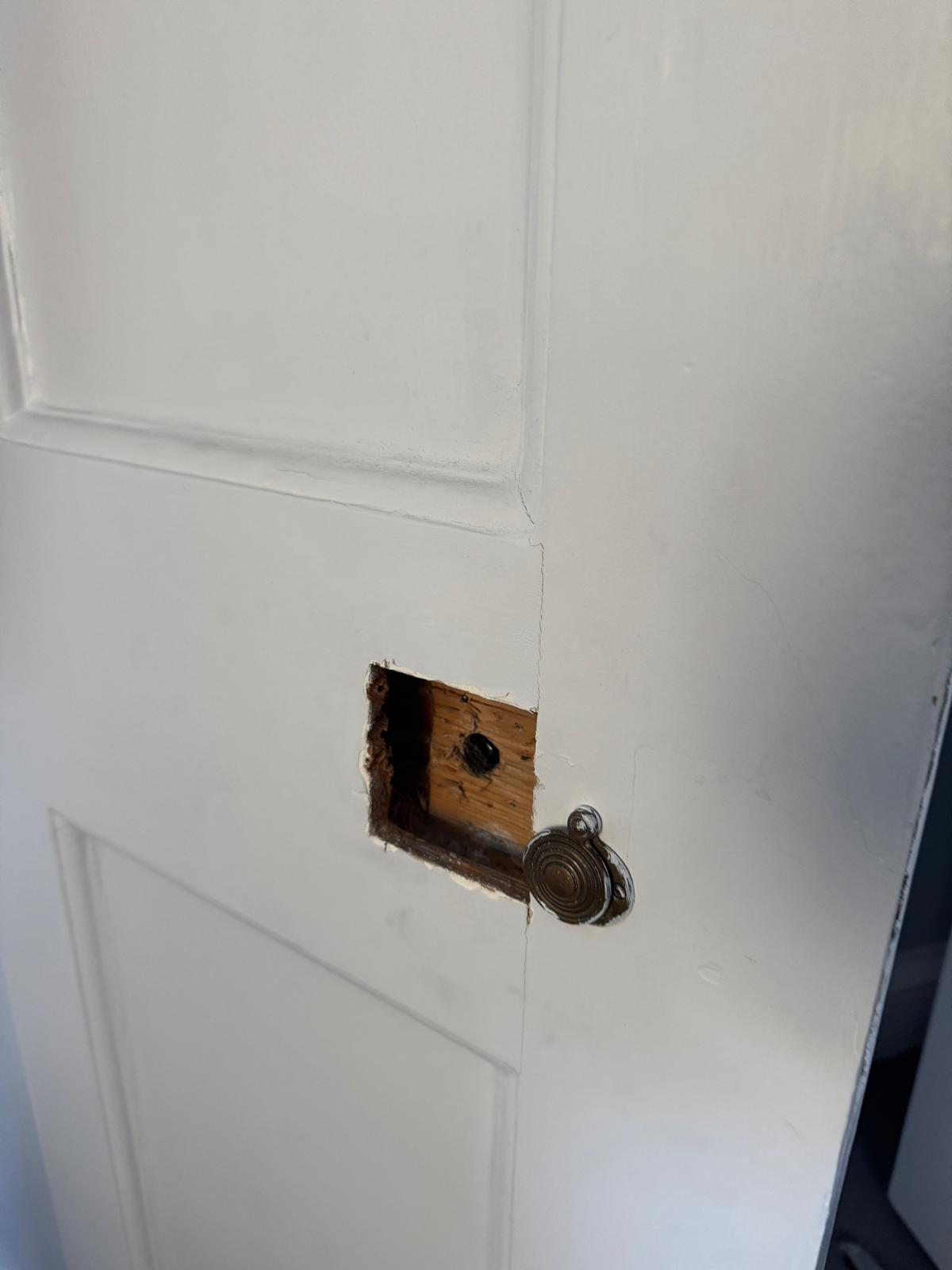
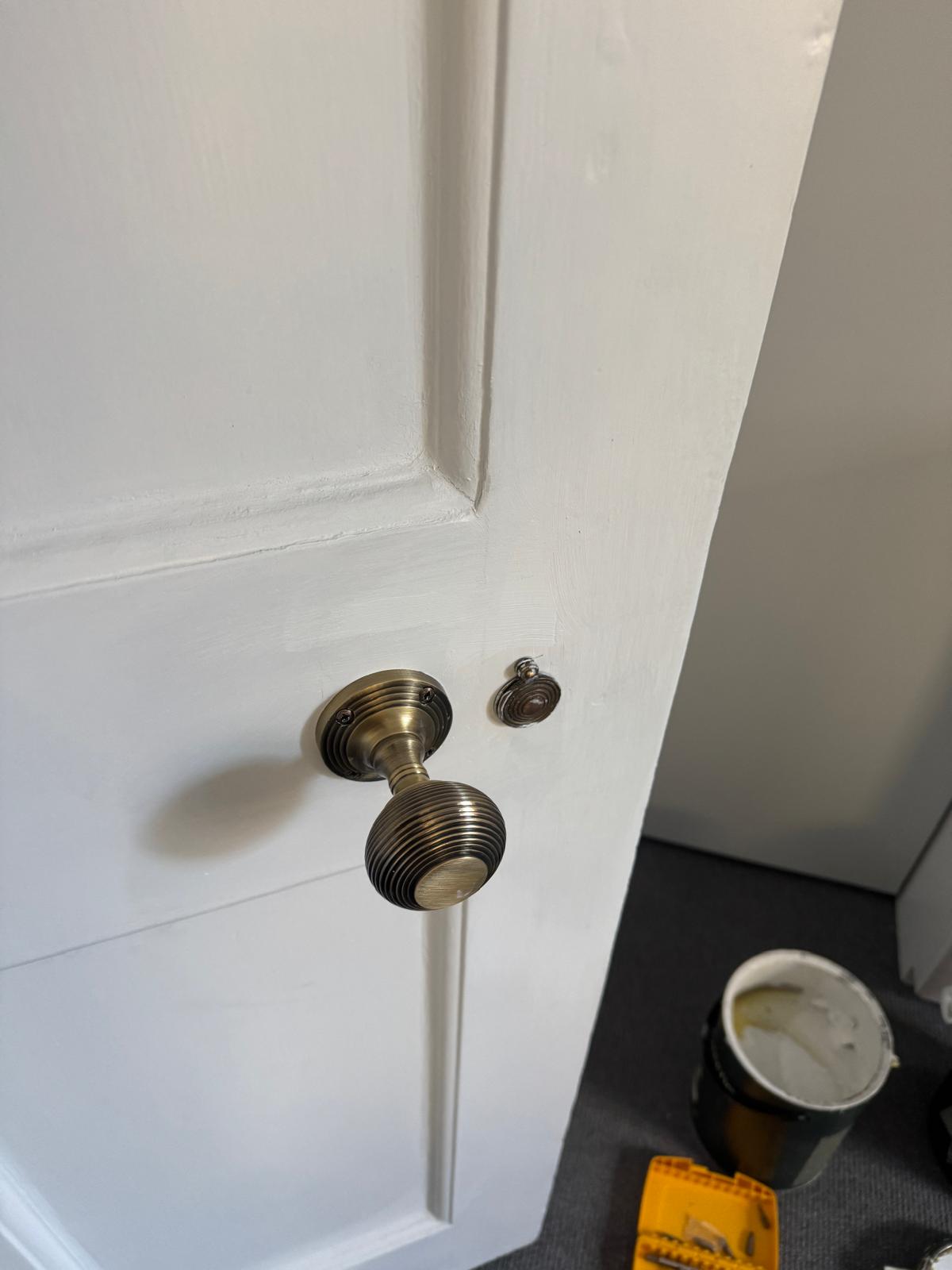
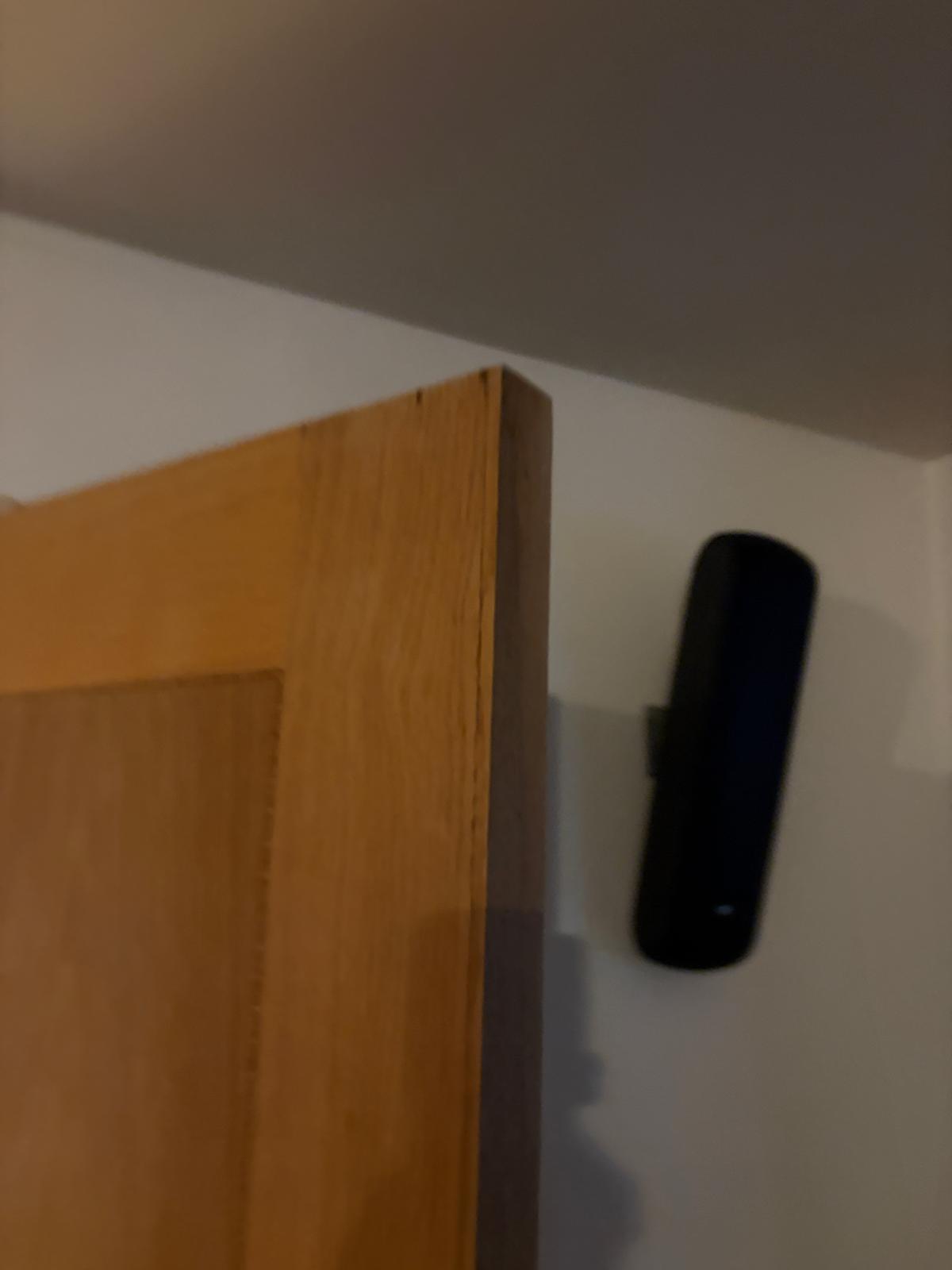
Damage like the one above usually starts as a handle that was loose for months. Every time it is used the fixings work a little further out of the timber, until the handle pulls out and takes part of the door with it. Tightening or refixing a loose handle while the property is empty is a five-minute job; repairing the door afterwards is not.
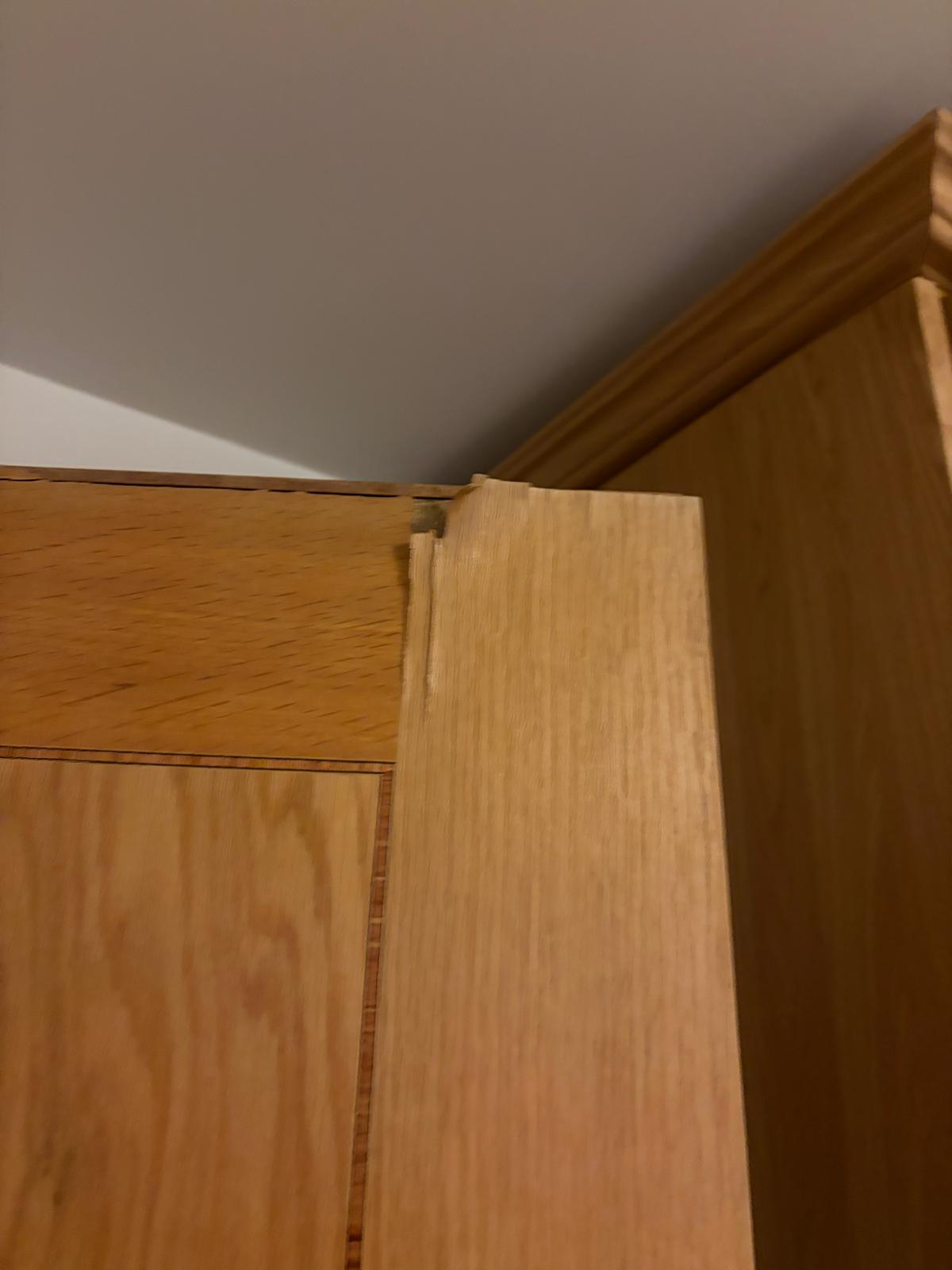
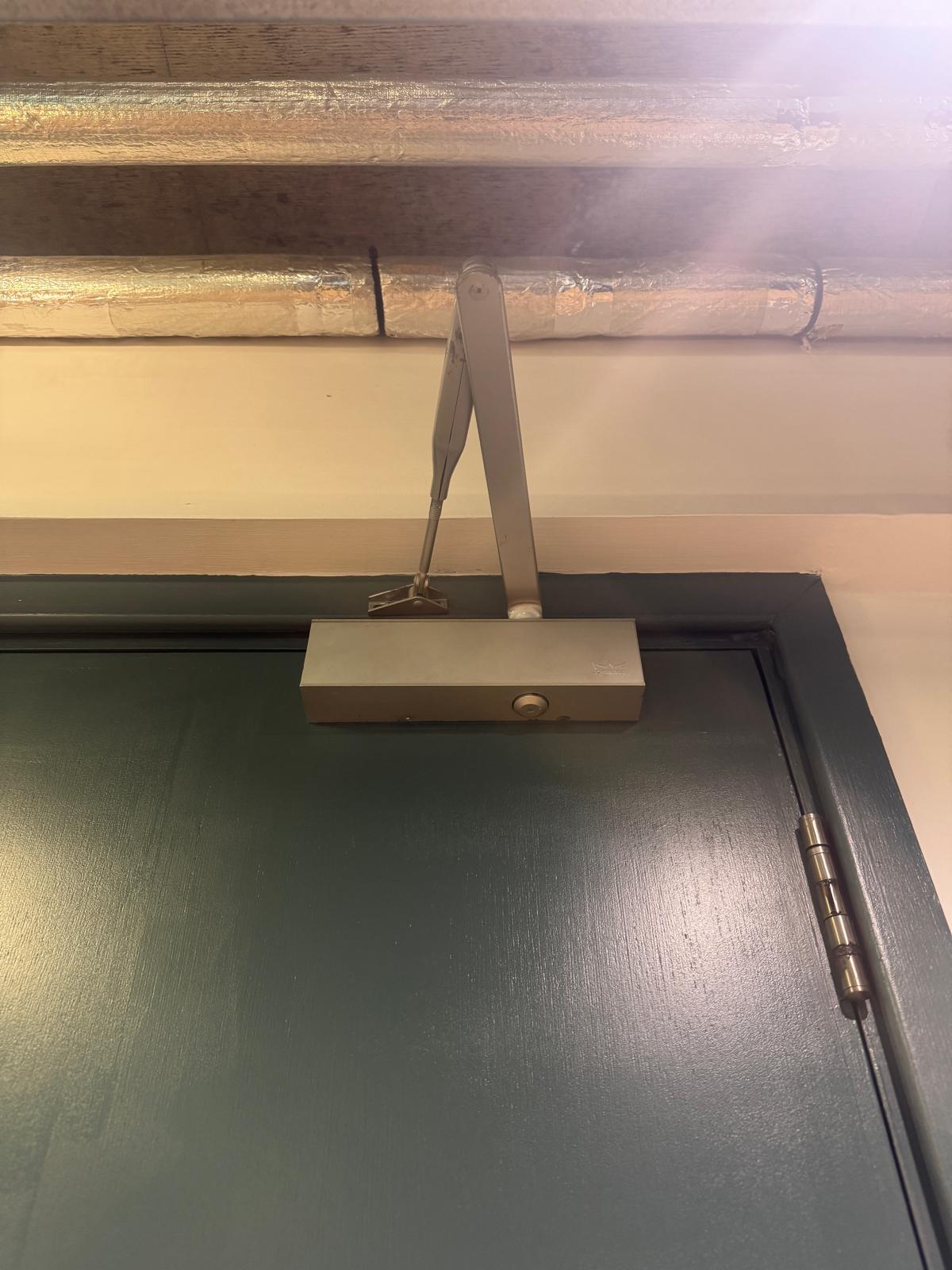
If the property is a house in multiple occupation or a flat in a converted building, check any door closers too. Where a door is meant to close by itself, it should close fully and latch without a push. A closer that has been disconnected or is no longer closing the door properly is worth sorting before anyone moves in.
Finally, locks. Most landlords change or re-key the front door lock between tenancies, because there is no way to know how many copies of the old key exist. Check that window locks work and that the keys for them are actually in the property.
Kitchen and bathroom
These two rooms produce most mid-tenancy call-outs, and most of those call-outs start as something small in the void period.
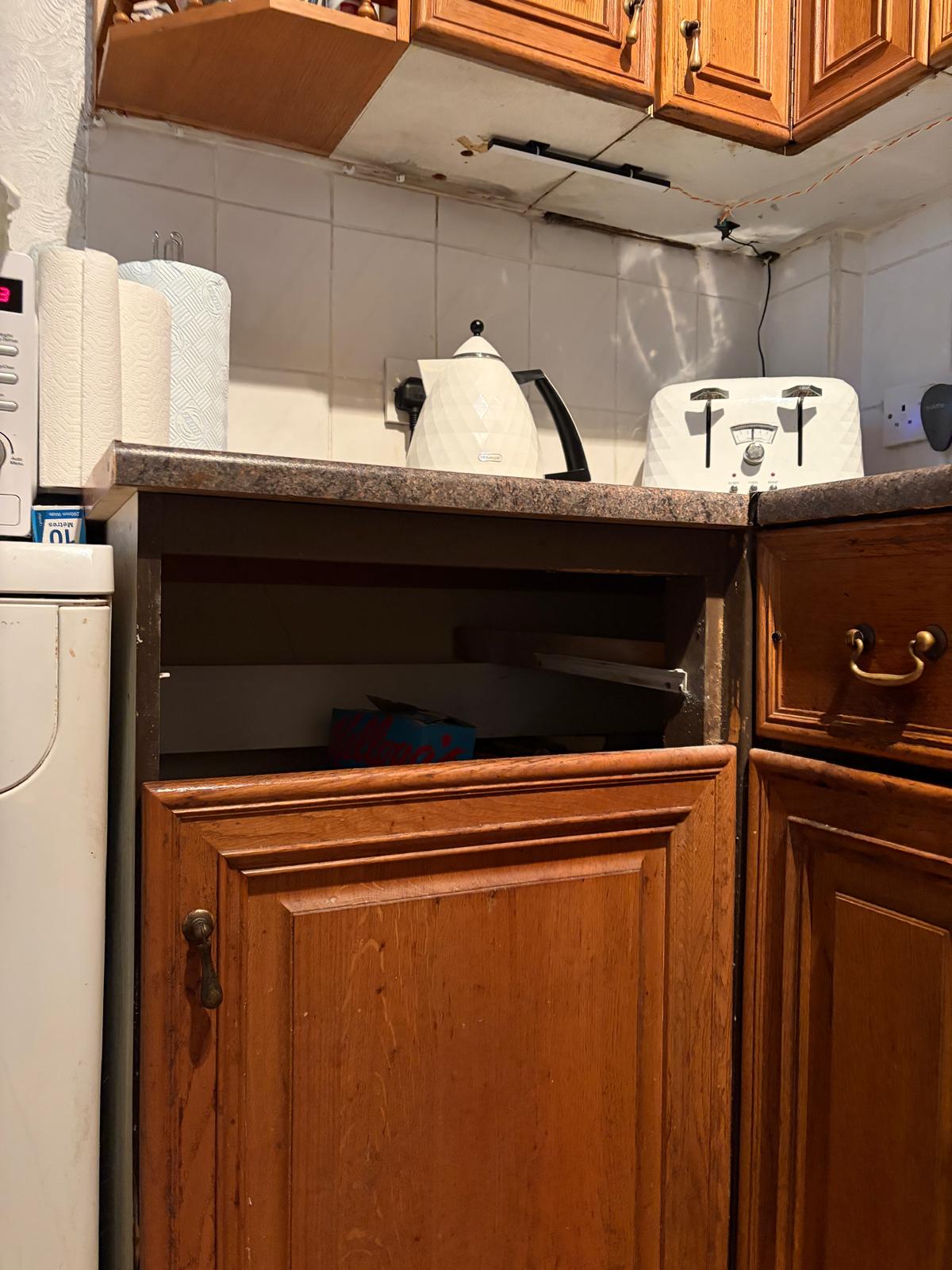
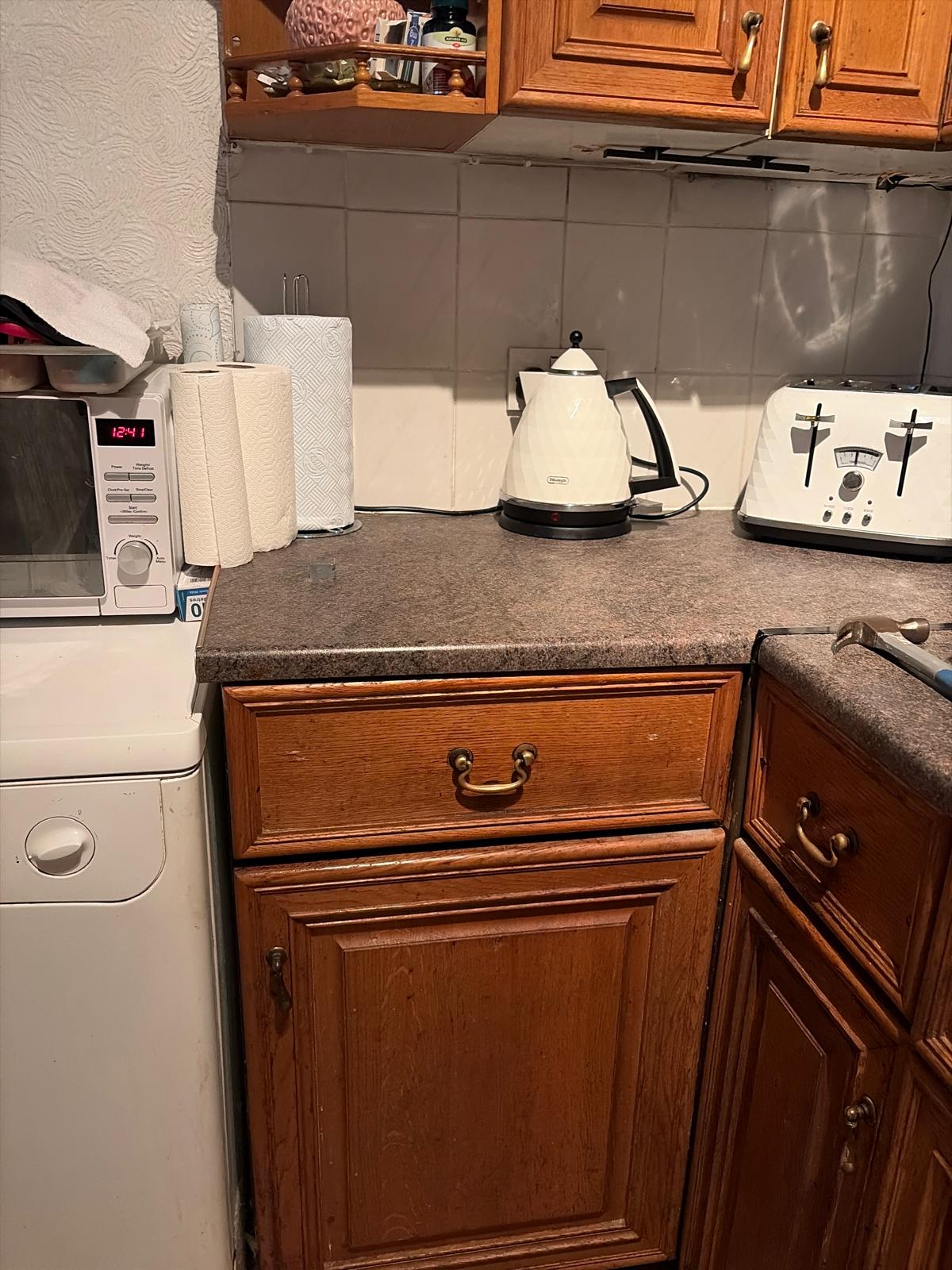
- Cupboard doors and drawers. Open every one. Hinges drop, drawer runners fail and fronts come loose. A drawer that is only just hanging on will not survive the next tenancy.
- Sealant. Look at the silicone round the bath, shower tray, basin and worktop. Black, split or peeling sealant lets water behind it, and that water shows up later as a stain on the ceiling below.
- Taps and drips. Run every tap. A dripping tap or a slow leak under the sink is cheap to deal with now and expensive once it has soaked the cupboard base.
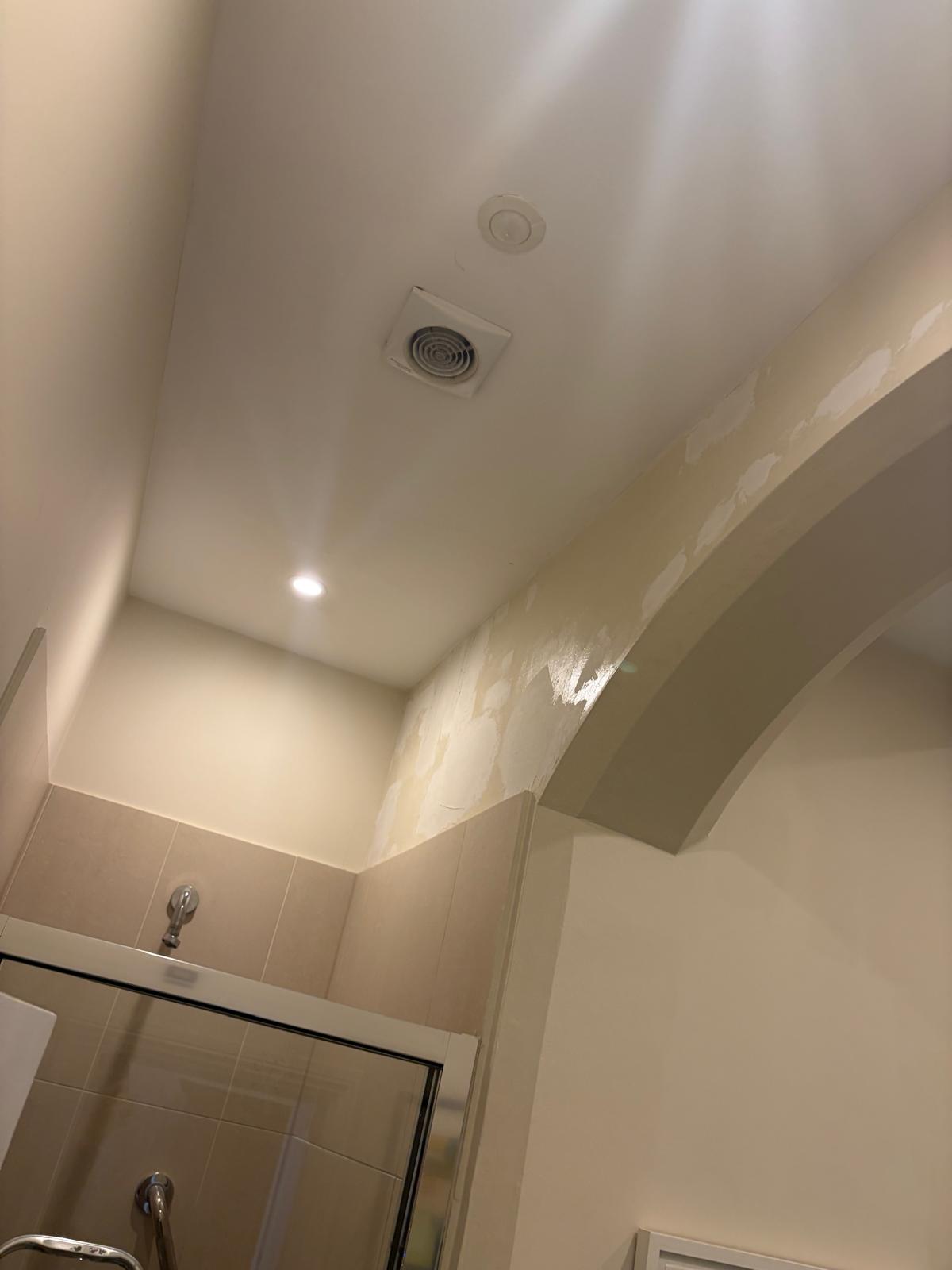
- Extractor fans. Switch them on. A bathroom or kitchen fan that doesn't run is a common reason mould appears within months (more on that below).
Walls, ceilings and paintwork
After a tenancy there will be picture hooks, screw holes, scuffs at shoulder height along the hallway and marks behind where the furniture stood. None of it is serious, but a fresh coat of paint on marked walls changes how the property photographs, how quickly it lets and how the next tenant treats it.
Fill holes and cracks before painting, not after. Hairline cracks at the corners of doorways and where walls meet ceilings are normal movement in most London houses; filled and painted, they disappear. A crack that is wide, growing, or stepped through the brickwork outside is a different matter and needs looking at properly.
Damp and mould: why paint alone won't fix it
Mould is the complaint landlords least want and the one that most often comes back. The reason it comes back is almost always the same: the mould was painted over, but whatever was causing it was not fixed.
Mould needs moisture. In a rented flat that usually comes from one of three places: condensation that has nowhere to go (a fan that doesn't work, windows never opened, clothes dried indoors), water getting in from outside, or a leak from a pipe or from the flat above. Paint over it without finding which one it is, and it will be back within a season.
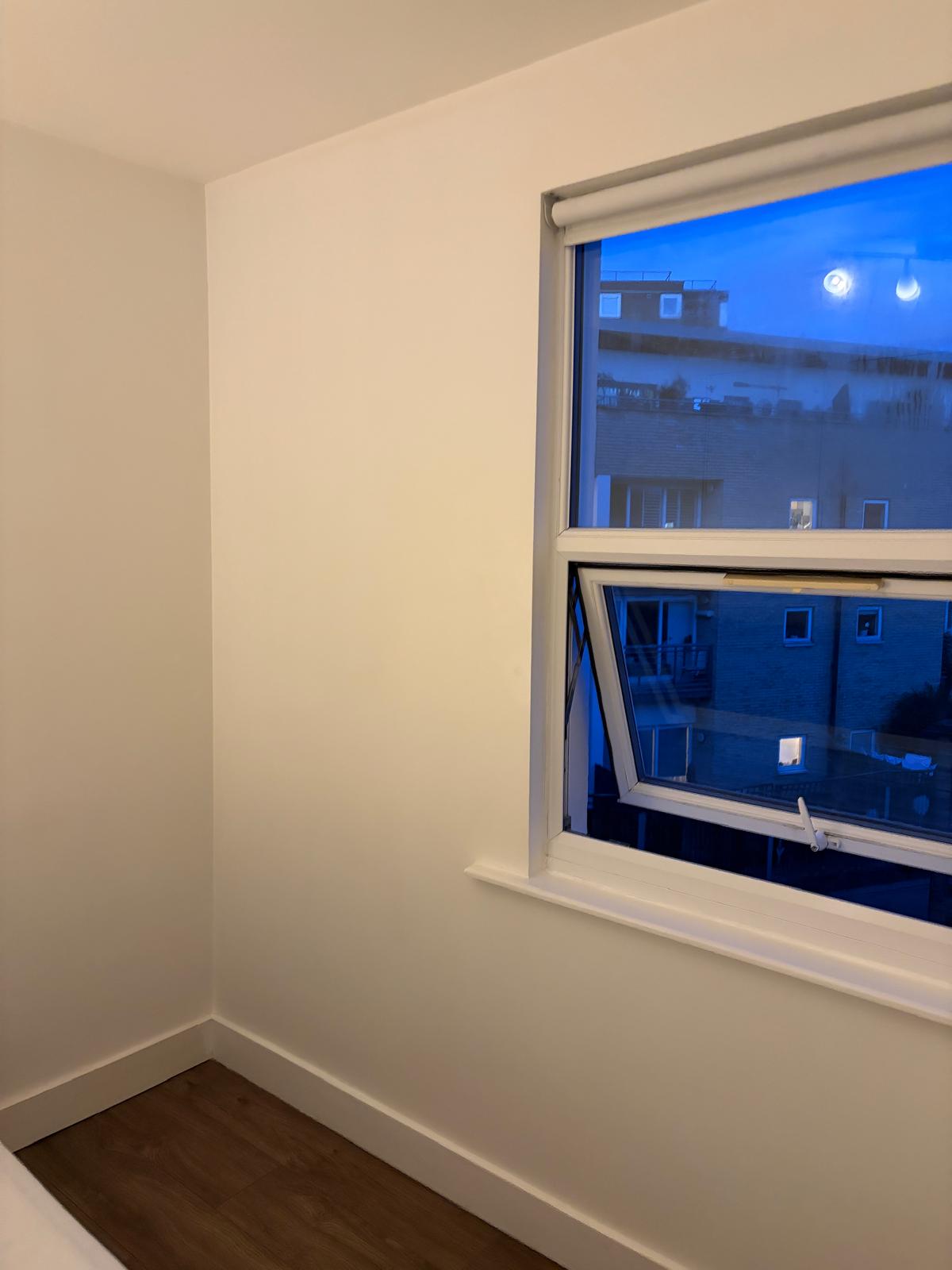
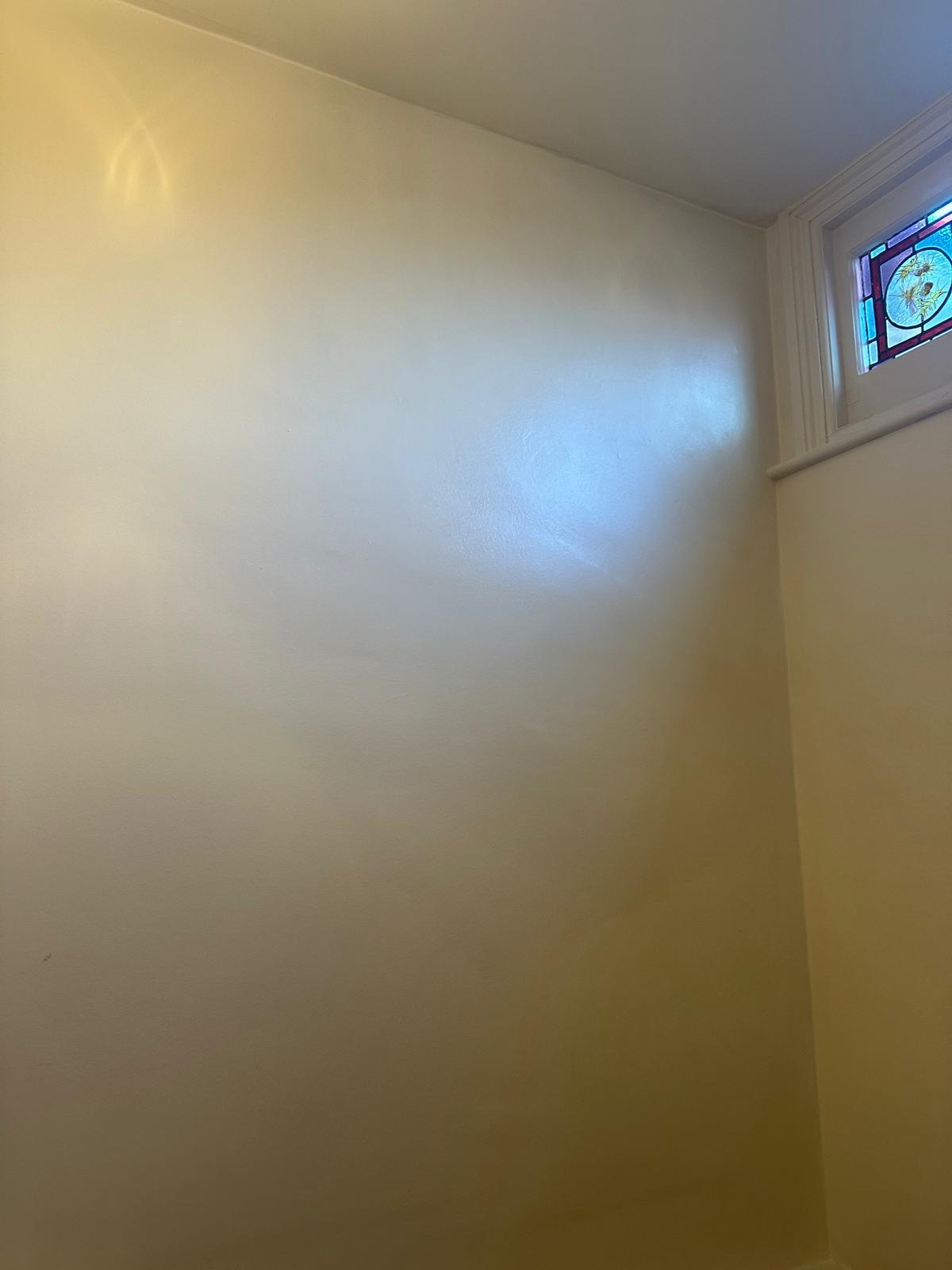
So the order matters. First find and fix the source: that may be a plumber for a leak, an electrician for a fan that needs replacing, or a roofer for water coming in from outside. Then let the wall dry out. Only then does it make sense to make good and repaint. When we are asked to paint over mould, we will tell you honestly if we think the cause is still there.
Stairs, rails and safety
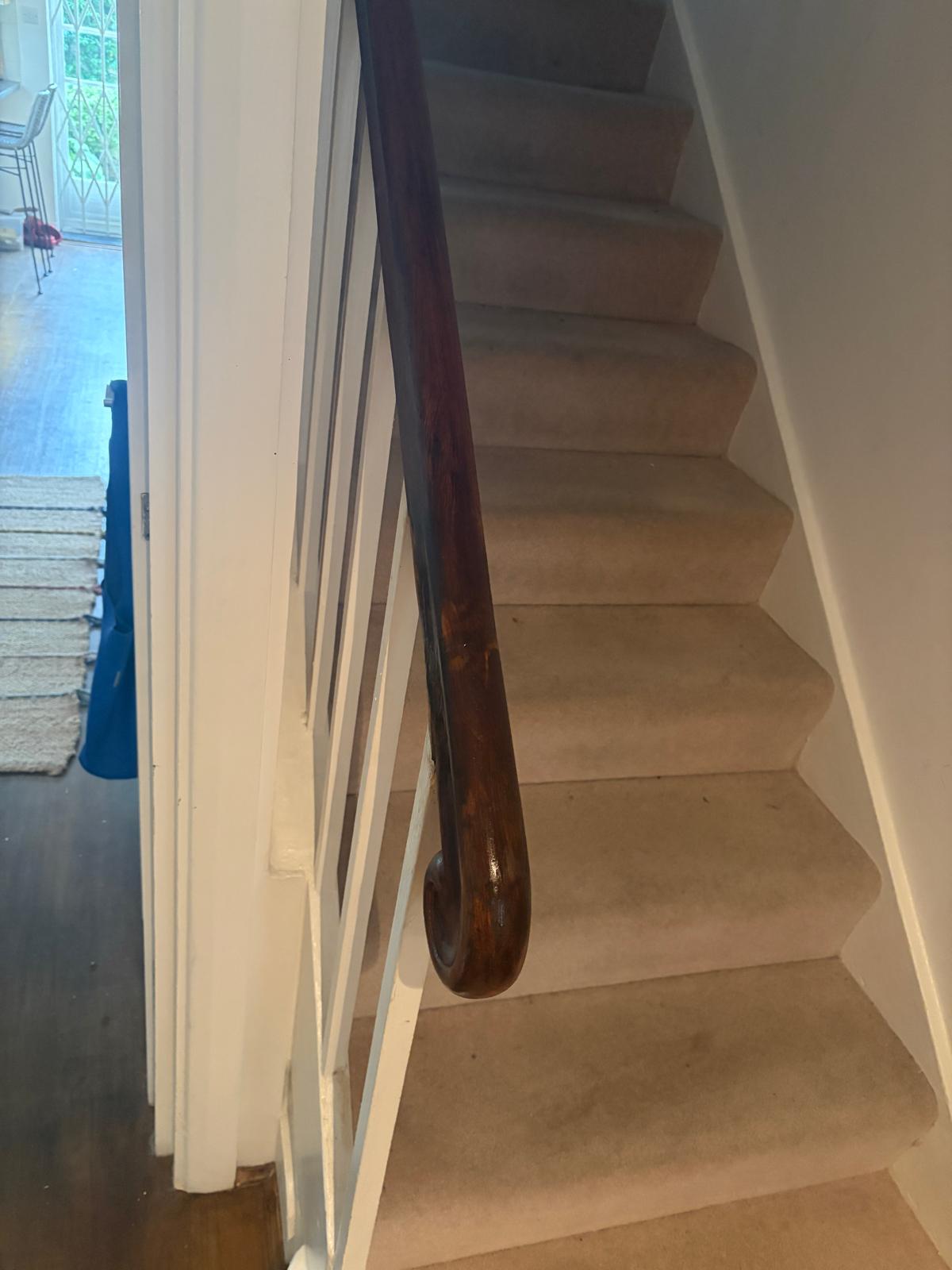
Grab every handrail and banister and put some weight on it. A rail that moves is exactly the kind of thing that gets used hard, usually in a hurry, often carrying something. Loose stair treads, lifting carpet on the stairs and trip hazards at thresholds are all worth fixing before a new household starts using the stairs every day.
The checks a handyman can't sign off
Some things on a rental checklist are legal requirements that need a qualified specialist, not a handyman. They are worth planning into the void period, because they are much easier to arrange while the property is empty. In England:
- Gas. A Gas Safe registered engineer must carry out a gas safety check on each gas appliance and flue every year, and tenants must be given a copy of the record before they move in, or within 28 days of the check. (GOV.UK)
- Electrics. The electrical installation must be inspected and tested by a qualified and competent person at least every five years, and tenants must be given a copy of the report. (GOV.UK)
- Alarms. There must be a smoke alarm on every storey with a room used as living accommodation, and a carbon monoxide alarm in any room with a fixed combustion appliance such as a boiler or wood burner (gas cookers are excluded). Alarms must be working at the start of each tenancy, and repaired or replaced if a tenant reports a fault. (GOV.UK)
We do not carry out gas work or electrical certification. What we can do is make sure the rest of the list is finished around those visits, so the property is ready on the same day.
Photograph it before the keys go back
Once the work is done and the property is clean, photograph every room, including close-ups of anything that has just been repaired. Date-stamped photos of the property on the day the tenancy starts are the simplest protection you have if there is a disagreement about the deposit later.
The one-page checklist
Before the new tenant moves in
- Every internal door opens, closes and latches without a push; handles firm on both sides.
- Door closers (flats and HMOs) close the door fully and latch.
- Front door lock changed or re-keyed; window locks working, keys in the property.
- Every cupboard and drawer opens, closes and stays on its hinges or runners.
- Sealant round the bath, shower, basin and worktop clean and unbroken.
- Every tap run; no drips, no leaks under sinks.
- Extractor fans in the kitchen and bathroom switched on and working.
- Holes and cracks filled; marked walls repainted.
- Any mould traced to its cause and the cause fixed before repainting.
- Handrails and banisters firm; no loose treads or trip hazards.
- Gas safety record in date and a copy ready for the tenant.
- Electrical report in date (at least every five years).
- Smoke and carbon monoxide alarms in place and tested.
- Every room photographed on the day the tenancy starts.
Void-period repairs in Harrow and North West London
We are a local handyman and maintenance team based in Harrow, covering Harrow, Uxbridge and across North West, West & Central London. For landlords and letting agents we take the whole list in one visit where we can: doors, handles, drawers, sealant, filling, painting, rails and the small repairs that otherwise turn into separate call-outs.
Send us the list, or photos of what needs doing, and we will come back with a written quote. If something on it needs a gas engineer or an electrician rather than us, we will tell you that too.
Getting a property ready for a new tenant?
Send us the list and we'll get a free quote back to you — one visit, one clear price.
Get Your Free Quote →